Are you adding to your family in the near future? Congratulations! This will be an exciting—not to mention busy—time in your life. You’ll have a nursery to decorate, furniture to buy, and plenty of checkups with your doctor.
With everything that’s going on, though, it’s important not to lose sight of your oral health. In fact, regular brushing and flossing will never be as important as they are now. Besides causing symptoms like swollen or bleeding gums, gum disease has also been linked with certain pregnancy complications, like premature birth.
To ensure that your smile stays healthy during your pregnancy, and that your baby stays safe, we recommend the following:
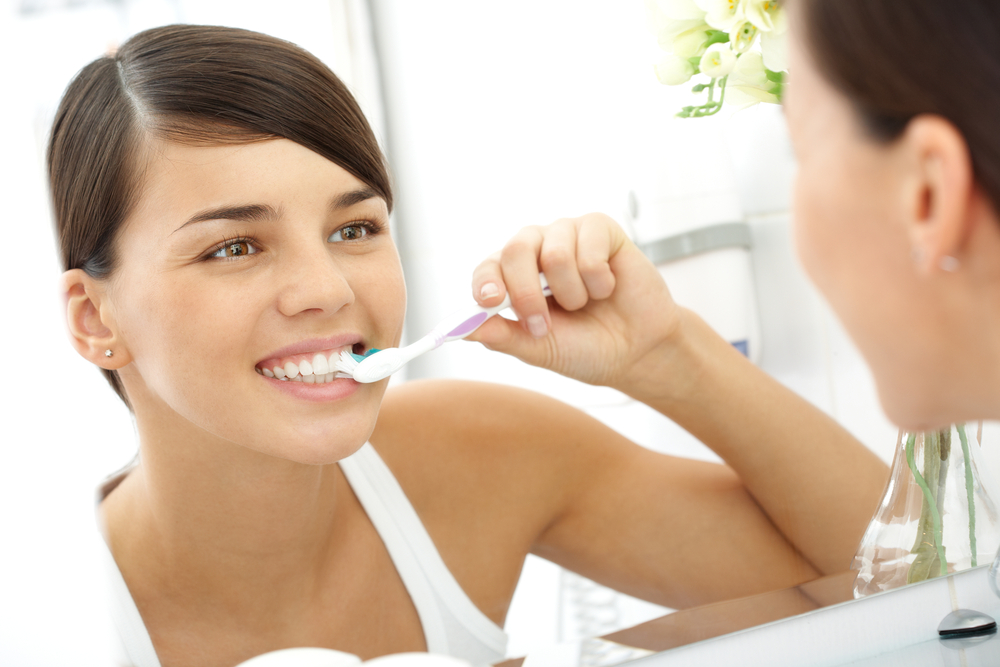
- Clean your smile regularly, paying special attention to your gumline. Gum disease is caused by the accumulation of bacteria and plaque along the gums.
- Enjoy a balanced and nutritious diet. Foods that are processed or sugary will increase your chances of developing gum disease or cavities.
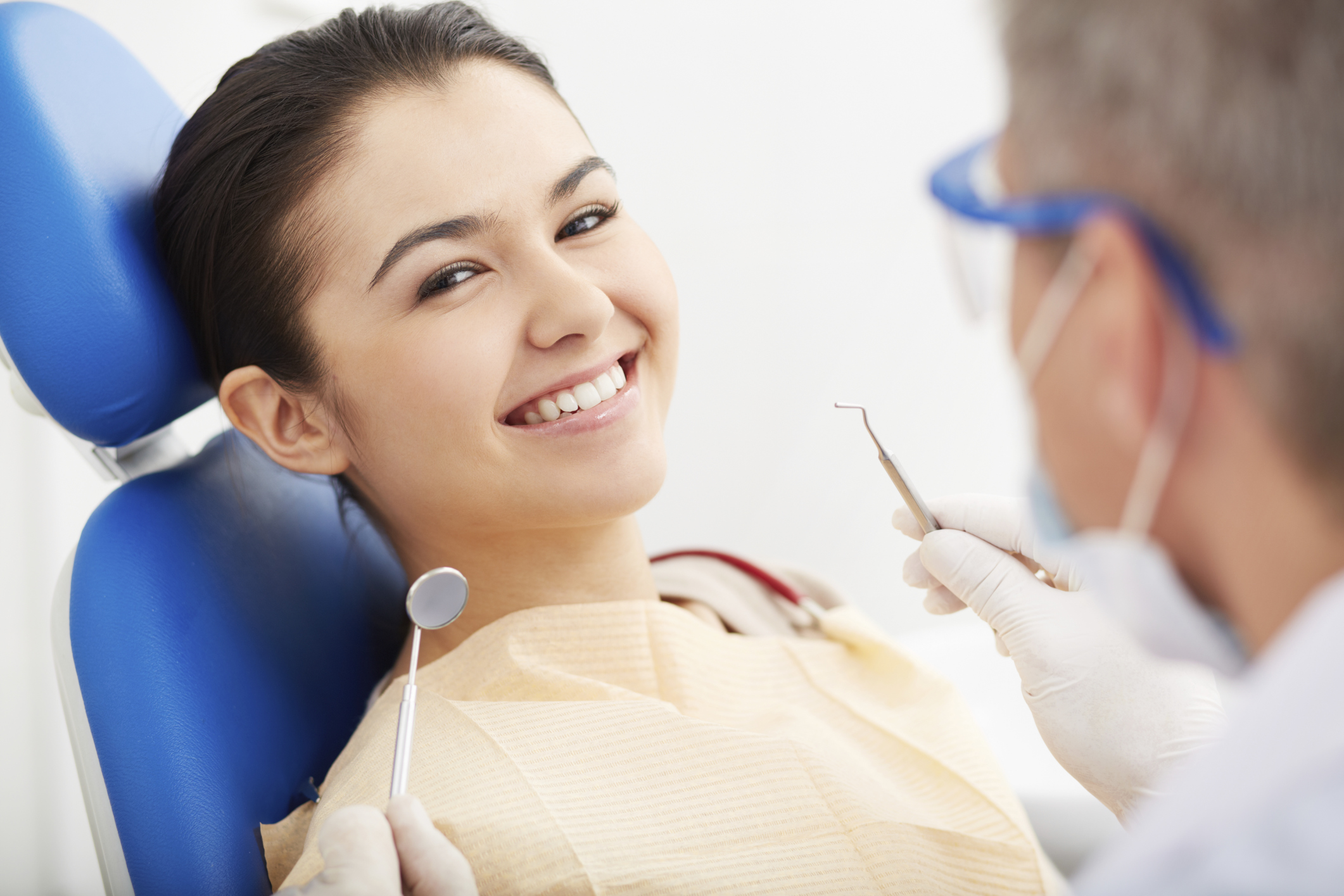
- Talk to your dentists about when to schedule a checkup during your pregnancy. The best time is often during the second trimester.
Like any mom, you want to give your baby the best possible start. With preventive brushing and flossing, you’re already well on your way.
If you have questions about the connection between pregnancy and gum disease, don’t hesitate to talk to your regular family dentist.




 Many of us could use a little pick-me-up in the morning, and coffee is largely the drink we turn to. Sure, it causes tooth stains and bad breath, but go into any Starbucks on your way to work and you’ll see a packed house. But what if I told you that switching from coffee to green tea could help you improve your oral health and reduce your visits to the dentist?
 Children are known for being incredibly stubborn over some issues, and the dentist’s office is one of the most dreaded places for someone with a smile that’s still developing. It’s not that hard to understand – after all, most adults dislike visiting the dentist as well. Still, when a child becomes frightened or anxious about their regular check-ups, it can make it very difficult for them to sit still long enough to receive the crucial care they need to maintain their teeth. Here are some helpful tips for helping your loved one learn to feel comfortable at the dentist’s office: