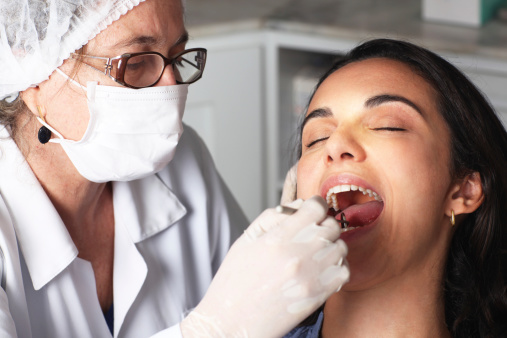
 Ever heard the phrase, “you’ve gotta be cruel to be kind?” It has never been truer than when referring to gum disease treatments. Periodontal disease affects as much as 80% of US adults, but the way dental practitioners handle periodontal treatments may be part of the problem. Patients avoid periodontal treatment due to lack of treatment urgency, not fully understanding necessary treatments, and money. Many dentists hesitate to fully explain and recommend periodontal therapy because they fear patients will simply cancel appointments due to the added cost. Instead, dentists tend to try the “nice” approach – recommending periodontal appointments every three months but billing them as regular dental cleanings during six month checkups. However, by changing the focus of periodontal disease treatment to communicating clearly, emphasizing assessment and prevention, and working with patients to maximize insurance benefits, dentists can better equip patients to receive the dental care they need.
Continue reading Do Nice Dentists Finish Last? – Do Dentists Have to be Cruel to be Kind?
Category: General Dentistry
Ditch The Smoking Habit for Excellent Oral Health
 There are a lot of tobacco users in this country. Whether it’s smoking, dipping, or any other kind of activity, tobacco can leave your mouth, and especially your smile, worse off. Think about it. There are countless carcinogens inside of a single cigarette that can have devastating effects on the appearance of your teeth. Yellow teeth are most often associated with smoking, but your tongue can turn yellow as well. It isn’t just the appearance of your teeth that should be important, your overall health is put into question with each puff. Oral cancer and other ailments are widely associated with tobacco use and for good reason. Gum disease and other ailments can also increase in size and scope when you smoke or dip. Do yourself a favor: stop.
Continue reading Ditch The Smoking Habit for Excellent Oral Health
Heed These Helpful Dental Tips Before the Kids Are Back In School
 Your kids have been out of school for a couple months now, but before you know it it’ll be time to ease them into the back-to-school routine. Lost in all the fracas is the time necessary to receive a regular checkup. You were a kid once, what did you do during the summer? You most likely spent your days outdoors with friends getting into trouble and doing who knows what. Now that you’re older, you should understand the importance of a dental checkup, especially for your kids. Who knows what kinds of sugary treats and other goodies they’ve been gorging on for the past couple months. A dental checkup can check for problems and help keep their mouths healthy throughout the school year.
Continue reading Heed These Helpful Dental Tips Before the Kids Are Back In School
Eat for Your Best Oral Health
 Did you know that the month of March is National Nutrition Month as designated by The Academy of Nutrition and Dietetics? Everyone knows that diet and nutrition are critical to general health. The fact of the matter is, however, your oral health is equally dependent on and affected by nutrition. Of course there are foods to limit for the sake of your oral health, like those that are loaded with sugar or highly acidic. But there are also foods, specifically certain fruits and vegetables, which are good for your teeth and gums. And with National Nutrition Month upon us, this seems like the time to offer worthwhile tips for your oral health.
Citrus Fruits
Citrus fruits, such as oranges, pineapples and tomatoes, are chock full of vitamin C, which is critical for the health of your gums. Without enough vitamin C, gums might become unhealthy and even bleed, an early sign of gum disease. Eventually, unhealthy gums may lead to tooth loss, so be sure to include lots of fresh citrus fruits for healthy gums and stable teeth.
Fiber Rich Fruits
When you chew fruits that are high in fiber, salivation increases to help wash away food debris and bacteria that can be harmful to teeth and gums. Some of these fresh fruits are apples, oranges, pears, and watermelons. This increase in saliva reduces the acid level in your mouth and helps avert dry mouth, which makes teeth more vulnerable to decay. In addition, as you chew fiber-rich fruits, you’re also massaging your gums.
Hard Vegetables Build Strong Teeth
Eating hard and fibrous vegetables, such as carrots and celery, provide your body with a good source of beta carotene. Your body needs beta carotene to make vitamin A, which is a nutrient that is vital to building strong teeth. These and other hard vegetables also massage your gums as you chew. And the water content in these vegetables cleans your teeth and gums.
Onions
Onions are great for your oral health, because they contain antibacterial sulfur compounds. These antibacterial compounds help kill the bacteria that can lead to tooth decay and gum disease. And, of course, they are strongest when eaten fresh and uncooked, so be sure to brush your teeth or rinse with a refreshing mouthwash after boosting your oral health with onions!
So, here’s to your health… your oral health!
Understanding Bruxism & TMJ Disorder: Find Relief from Nighttime Teeth Grinding
 Do you often awaken in the morning to find that your jaw is sore or that your neck and shoulders feel tense? Perhaps you suffer from frequent headaches that tend to begin in the area surrounding your temples. These symptoms are common in individuals with nighttime teeth grinding and daily jaw clenching, or bruxism and temporomandibular joint disorder (TMD). Fortunately, treatment for these orofacial issues is typically non-invasive, affordable, and easily accessible at your dentist’s office.
What Causes Jaw Clenching and Teeth Grinding?
There are a variety of reasons that people with TMD and bruxism engage in the unconscious behavior of teeth grinding and clenching. Malocclusion, or an improper bite, is a major factor, as is daily stress. While you are sleeping, you are not able to stop the overworked muscles in the jaw and face from overtaking themselves further, leading to numerous symptoms that can affect you all day.
For many, the primary complaint related to TMJ disorder is headache pain that interferes with daily functioning. The delicate joints that connect your lower jaw to your cranium can become irritated and inflamed, causing nerve pain that can even spread to your upper back. This can lead to posture problems that further exacerbate the issue. In cases of teeth grinding, the patient is typically unaware that their jaws are placing inordinate amounts of pressure on their teeth all night. Bruxism can cause tooth fractures and enamel erosion, both of which can prove to be serious problems if not treated in a timely manner.
Bruxism & TMJ Treatment
In the majority of cases, a nighttime mouthguard is used to prevent damage to the teeth caused by clenching and grinding. This custom oral appliance fits comfortably in your mouth as you sleep, helping position the jaws properly so that the muscles aren’t unnecessarily strained. Patients who have been clenching their jaws for years are surprised to find that they experience relief from their discomfort in as few as one or two nights with their new appliance.
If you believe that you or someone in your family is suffering with the ill effects of TMJ disorder or bruxism, ask your dentist about a custom oral appliance. Relief could be a phone call away!
Make Your New Year’s Resolution Count with Biannual Dental Checkups
 2014 is rapidly coming to a close, and New Year’s Day is just around the corner. People from all around the world are coming up with ideas for their New Year’s resolutions, hoping to make this the year they make great strides toward self-improvement and better health. As we all prepare to welcome 2015 in style, we’d like to take a few moments to suggest one resolution that is not only easy to keep but incredibly rewarding as well.
Dental Checkups for the Whole Family
Biannual checkups and cleanings are critical components of any oral hygiene regimen. They present you with the perfect opportunity to ask your dentist any questions you may have about your teeth and gums, as well as any other concerns you may have at the time. These simple visits also include a thorough exam and cleaning, two things your teeth desperately need to stay healthy for life.
Unfortunately, many people still believe that it’s fine to skip out on their routine checkups because they haven’t noticed any problems that warrant a dental visit. The problem with that line of thinking is that not every oral health concern presents with noticeable symptoms. The early stages of gum disease, for example, may be virtually undetectable. Small cavities – particularly those that form between the teeth – may be difficult to see or feel until they have progressed to a more advanced stage of decay. Even a root canal infection may slip under your radar without the practiced eyes of a dentist to spot the signs with a detailed x-ray.
The great news about dental checkups is that they are covered by most dental insurance plans; you may not have to pay a single penny to get your teeth cleaned by a dedicated professional!
Make the Smart Resolution Today!
While vowing to eat healthily, save money, and get in shape are all viable and popular resolutions, we suggest placing more emphasis on your oral health this year as well. Your mouth serves as a portal to the rest of your body, and the status of your teeth and gums can potentially affect your overall health. This New Year’s Eve, make the decision to treat your smile well with routine preventive visits at your local dental office. You’ll be glad you did.
Have You Gotten the Most from Your Benefits This Year?

Now that December is here, it won’t be long until we’re taking down our calendars for 2014 and replacing them with ones for 2015. For most, the focus of the month is primarily on gift giving and holiday preparations, but there’s something else you should add to your year-end checklist: one last checkup with your dentist. Why should you include a dental appointment in your December activities? There are a few reasons.
Yearly Maximum
Your insurance company allots a yearly maximum to help you pay for certain kinds of services and procedures. Unfortunately, that money doesn’t rollover from one year to the next. Any amount you don’t use, you will lose at the end of the year.
Deductible
Your deductible will be renewed every year, too. Before your insurance provider will start covering your care, you have to meet your deductible. In many cases, this amount is around $50.
Insurance Fees
Additionally, you may find that your premiums and co-pays from one year to another are different. But without knowing what they’ll be for 2015, it’s a good idea to take advantage of what you already have before it changes.
Another New Year is almost upon us, but there may still be time to schedule an appointment with your local dentist. Call today to see about scheduling an appointment.
Don’t Just Brush Your Teeth… Brush Your Teeth Correctly
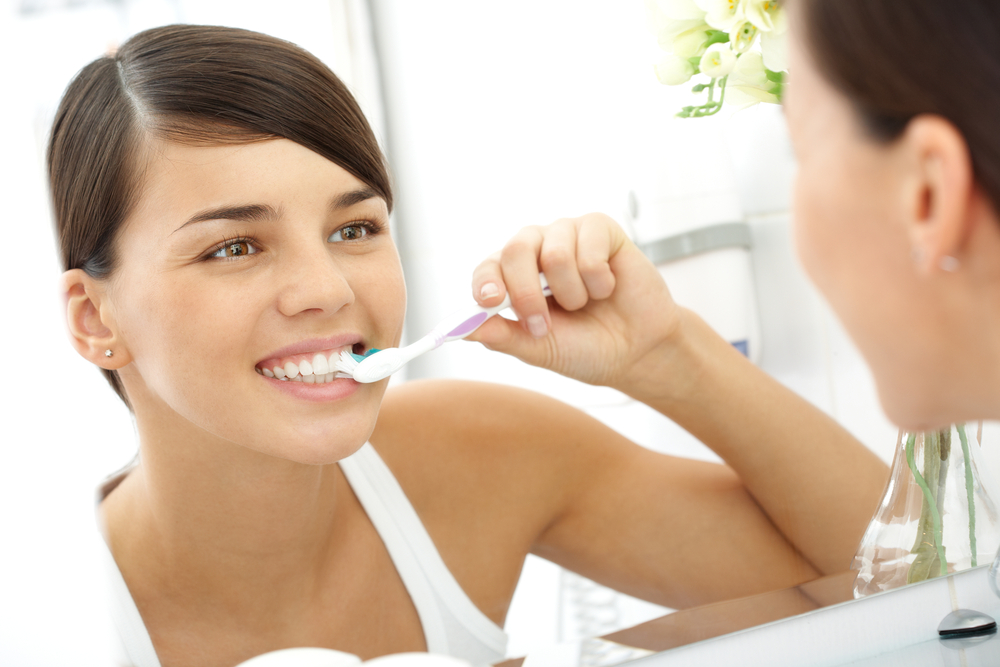 Most people know that good oral hygiene includes brushing your teeth at least twice a day. And for most, those two times are usually in the morning—as you’re rushing to work or getting the kids off to school—and at night, when you’re fighting to keep your eyes open before falling into bed. Regardless of whether your day is beginning, ending or somewhere in between, proper brushing is worth the time and effort for good oral health.
First off all, did you know that proper brushing requires at least two minutes? Most adults spend a fraction of that time brushing their teeth every morning and night. Try looking at the clock when you start brushing, then brush normally and check the time when you’re finished. Chances are you didn’t spend enough time to thoroughly clean your teeth. To really do a good job and ensure better oral hygiene, spend two minutes brushing.
What is the Best Technique for Brushing Teeth?
When brushing your teeth, it’s important to hold your toothbrush at a 45 degree angle against the gum line and sweep or roll the brush away from your gums. Don’t brush side to side, which can scrape your gums. And be sure to use short strokes as you brush away from your gums.
Start out cleaning the outer surface of your upper teeth and then your lower teeth. Continue by brushing the inner surface of upper and lower teeth. Then, brush the chewing surfaces of your teeth, concentrating on your molars. Finally, be sure to brush your tongue, too.
Tools for Proper Brushing
Always choose a soft brush with round-ended bristles. Stiff bristles can hurt your gums. A powered toothbrush can be a good choice, too, especially if you have difficulty brushing because of limited manual dexterity. The type of toothpaste you choose is an individual matter. There are a variety of toothpastes to address a variety of concerns from teeth whitening and cavity prevention to eliminating tartar and reducing teeth sensitivity. Talk with your local dentist about which toothpaste is best for you.
Prepare Little Smiles for Trick-or-Treating with Preventive Dentistry
 Halloween is undeniably a favorite holiday for millions of children from across America, offering the perfect opportunity to dress up in creative costumes and bring home tons of sweet treats. While we’d never discourage any of the festivities and fun of trick-or-treating, we do want to emphasize the importance of keeping those precious pearly whites healthy this holiday season. With preventive dentistry solutions like dental sealants and fluoride supplements, we can help ensure your child’s continued oral health all year round.
Preventing Cavities this Holiday Season
The two most common childhood dental concerns are tooth decay and periodontal disease. Because prevention is always the best medicine when it comes to your child’s oral health, routine dental exams and cleanings are integral to a future of healthy smiles. Particularly around the holidays, it is important to consider the effects of sugary treats – including Halloween candies like lollipops, chocolate, and candy corn – on a child’s vulnerable teeth. Your child’s tooth enamel isn’t as resistant to plaque buildup, so twice yearly cleanings are vital.
During your child’s dental visit, ask about dental sealants and fluoride supplements. Dental sealants effectively protect teeth from cavities, especially in hard-to-reach places like the first and second molars. Fluoride supplements can actually fortify tooth enamel, remineralizing the surfaces of the teeth to further ward off attacks from cavity-causing bacteria. After your child is done divvying up all of his or her favorite treats from Halloween, consider donating the excess to a Halloween buyback program. This will help keep those cavity-causing temptations out of reach, further protecting your child’s smile.
Keep Your Child’s Smile Shining Brightly!
Your child’s dentist is your ongoing partner in building a strong foundation for oral health in the future. If you have questions about preventive dentistry services, including fluoride and dental sealants, contact your local dentist’s office for more information.
Dental Myths Put To Rest
 There are many things in life that are shrouded in mystery. Things like urban myths and old wives’ tales always keep our curiosity tickled, and you may be dying to get to the truth of an issue for peace of mind. Your smile is no different! There are so many things that people may not know about their smiles; things that they may not know are true or not. Your smile is something you should never play around with, and we would like to clear up a few myths in order to contribute to your peace of mind.
A dental myth that you may have heard is that is teeth whitening weakens the durability of your smile. For those who want to brighten their smiles with teeth whitening, you have nothing to worry about, as this myth is completely false. When you go to have your smile whitened, the gel that the dentist places on your smile only affects the color of your enamel, not the strength. Though it is normal to experience some sensitivity with your smile after having the procedure done, it does not weaken the internal structure of your teeth.
Another dental myth that you may have heard is that you should not brush or floss your teeth if your gums are bleeding. This is actually the exact opposite of what you want to do, and there could be many reasons why your gums could be bleeding. Bleeding gums is usually a sign of plaque and other particles irritating them, and it is important to remove whatever is aggravating your gums as soon as possible. Brushing and flossing your teeth as well as you can is one avenue you can take in order to stop your gums from bleeding.
Dental myths seems to plague the minds of many people, and by putting some of them to rest, we hope that you are able to experience better oral health and better knowledge as to what goes on with your smile.