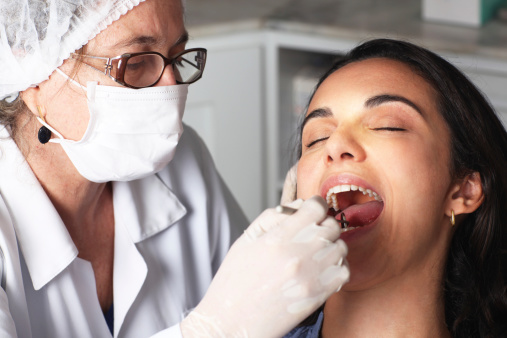
 Ever heard the phrase, “you’ve gotta be cruel to be kind?” It has never been truer than when referring to gum disease treatments. Periodontal disease affects as much as 80% of US adults, but the way dental practitioners handle periodontal treatments may be part of the problem. Patients avoid periodontal treatment due to lack of treatment urgency, not fully understanding necessary treatments, and money. Many dentists hesitate to fully explain and recommend periodontal therapy because they fear patients will simply cancel appointments due to the added cost. Instead, dentists tend to try the “nice” approach – recommending periodontal appointments every three months but billing them as regular dental cleanings during six month checkups. However, by changing the focus of periodontal disease treatment to communicating clearly, emphasizing assessment and prevention, and working with patients to maximize insurance benefits, dentists can better equip patients to receive the dental care they need.
Continue reading Do Nice Dentists Finish Last? – Do Dentists Have to be Cruel to be Kind?
Tag: gum disease
Ditch The Smoking Habit for Excellent Oral Health
 There are a lot of tobacco users in this country. Whether it’s smoking, dipping, or any other kind of activity, tobacco can leave your mouth, and especially your smile, worse off. Think about it. There are countless carcinogens inside of a single cigarette that can have devastating effects on the appearance of your teeth. Yellow teeth are most often associated with smoking, but your tongue can turn yellow as well. It isn’t just the appearance of your teeth that should be important, your overall health is put into question with each puff. Oral cancer and other ailments are widely associated with tobacco use and for good reason. Gum disease and other ailments can also increase in size and scope when you smoke or dip. Do yourself a favor: stop.
Continue reading Ditch The Smoking Habit for Excellent Oral Health
Caring for Your Smile When You’re Expecting
Are you adding to your family in the near future? Congratulations! This will be an exciting—not to mention busy—time in your life. You’ll have a nursery to decorate, furniture to buy, and plenty of checkups with your doctor.
With everything that’s going on, though, it’s important not to lose sight of your oral health. In fact, regular brushing and flossing will never be as important as they are now. Besides causing symptoms like swollen or bleeding gums, gum disease has also been linked with certain pregnancy complications, like premature birth.
To ensure that your smile stays healthy during your pregnancy, and that your baby stays safe, we recommend the following:
- Clean your smile regularly, paying special attention to your gumline. Gum disease is caused by the accumulation of bacteria and plaque along the gums.
- Enjoy a balanced and nutritious diet. Foods that are processed or sugary will increase your chances of developing gum disease or cavities.
- Talk to your dentists about when to schedule a checkup during your pregnancy. The best time is often during the second trimester.
Like any mom, you want to give your baby the best possible start. With preventive brushing and flossing, you’re already well on your way.
If you have questions about the connection between pregnancy and gum disease, don’t hesitate to talk to your regular family dentist.
Eat for Your Best Oral Health
 Did you know that the month of March is National Nutrition Month as designated by The Academy of Nutrition and Dietetics? Everyone knows that diet and nutrition are critical to general health. The fact of the matter is, however, your oral health is equally dependent on and affected by nutrition. Of course there are foods to limit for the sake of your oral health, like those that are loaded with sugar or highly acidic. But there are also foods, specifically certain fruits and vegetables, which are good for your teeth and gums. And with National Nutrition Month upon us, this seems like the time to offer worthwhile tips for your oral health.
Citrus Fruits
Citrus fruits, such as oranges, pineapples and tomatoes, are chock full of vitamin C, which is critical for the health of your gums. Without enough vitamin C, gums might become unhealthy and even bleed, an early sign of gum disease. Eventually, unhealthy gums may lead to tooth loss, so be sure to include lots of fresh citrus fruits for healthy gums and stable teeth.
Fiber Rich Fruits
When you chew fruits that are high in fiber, salivation increases to help wash away food debris and bacteria that can be harmful to teeth and gums. Some of these fresh fruits are apples, oranges, pears, and watermelons. This increase in saliva reduces the acid level in your mouth and helps avert dry mouth, which makes teeth more vulnerable to decay. In addition, as you chew fiber-rich fruits, you’re also massaging your gums.
Hard Vegetables Build Strong Teeth
Eating hard and fibrous vegetables, such as carrots and celery, provide your body with a good source of beta carotene. Your body needs beta carotene to make vitamin A, which is a nutrient that is vital to building strong teeth. These and other hard vegetables also massage your gums as you chew. And the water content in these vegetables cleans your teeth and gums.
Onions
Onions are great for your oral health, because they contain antibacterial sulfur compounds. These antibacterial compounds help kill the bacteria that can lead to tooth decay and gum disease. And, of course, they are strongest when eaten fresh and uncooked, so be sure to brush your teeth or rinse with a refreshing mouthwash after boosting your oral health with onions!
So, here’s to your health… your oral health!
The Oral-Systemic Connection
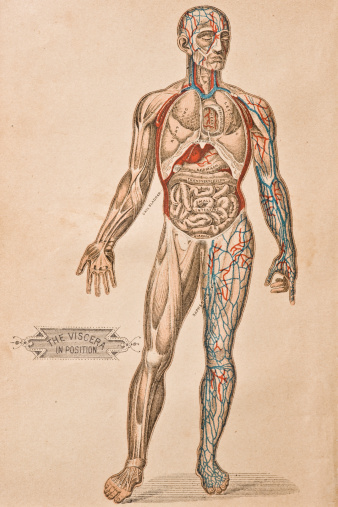 We live in an era of health consciousness, and that’s a good thing. Many people try to exercise and eat right. But being healthy is not simply a matter of what you put in your mouth, it’s also dependent on how you take care of your mouth. More and more evidence shows that there is a direct link between oral health and overall health.
The oral-systemic connection characterizes the link between diseases and conditions in the mouth and health problems throughout the body. For example, periodontal or gum disease—called gingivitis in its early stages and periodontitis later—is caused by bacteria that can have access to the bloodstream when gum tissue bleeds, a common symptom of gum disease. Thus, preventing or treating gum disease and other oral infections early can be critical to avoiding secondary health concerns. So, those bi-annual dental checkups are more than just a matter of clean teeth. They can mean the difference between life and death.
Medical Conditions that Start in the Mouth
While research continues, the following is a partial list of medical conditions and diseases that have already been found to have a connection to oral health:
- Heart disease
- Stroke
- Osteoporosis
- Diabetes
- Some forms of cancer
- Some autoimmune disorders
- Low birth weight in newborns
Furthermore, the importance of maintaining oral health in order to have a proper diet and nutrition cannot be understated. People who have missing teeth are often unable to eat raw fruits and vegetables and other healthy foods that require chewing. Therefore, they choose softer foods that tend to be higher in saturated fats and sugar, both of which can have detrimental effects on the body when over consumed.
The Oral-Systemic Connection and You
What can you do to keep your oral-systemic connection healthy? First of all, brush your teeth and floss twice each day. Be sure to floss well below the gum line where bacteria hide. Secondly, see your dentist at least twice each year for a checkup. With regular visits, you and your dentist will better be able to recognize changes in your oral health and fend off any conditions that could compromise your general health.
Periodontal Disease and Systemic Health: The Mouth-Body Link
 Most people know that gum disease (also known as periodontal disease) can cause major problems like bleeding gums, tenderness, and even eventual tooth loss. The more serious complications associated with this common disease, however, are not as readily recognizable. Keeping your gums free of infection can actually help you avoid a variety of other health problems now and in the future.
Oral Health and Your Future
When your gums are infected, the bacteria that flourish there can easily travel through your body to other tissues and organs. Because this process takes time, you may not even realize that you are at risk until more pressing symptoms arise. Medical problems that have been linked to untreated gum disease include the following:
- Complications in pregnant women, including pre-mature birth and low birth weight infants
- Dementia in older patients
- Pancreatic cancer
- High blood pressure
- Heart attack
- Stroke
- Rheumatoid arthritis and other bone/joint problems
- Complications in the treatment of diabetes
Treating periodontal disease now is one of the first lines of defense against these and other medical conditions. Your dentist can discuss with you the periodontal therapy process, providing you with all the information you need to make a decision regarding your oral health and your systemic well-being.
Healthy Gums, Healthy Body
If you have noticed the tell-tale signs of gum disease (including bleeding gums, sensitivity, redness, and a receding gum line), it is imperative that you make an appointment with your dentist as soon as possible. Early treatment of gum disease helps ensure a faster recovery, thereby reducing your risk of developing diseases and health conditions like those listed above. Call your local dentist today and take the first step toward a healthier body and a happier smile with periodontal therapy.
How to Care for Your Smile When You’re Expecting
 The months before you welcome a new member to your family will be some of the most exciting months in your life. But those nine months also come with changes, and not just the most obvious one.
For instance, studies have shown that pregnant women are more vulnerable to gum disease than women who aren’t pregnant. Studies have also shown that there’s a link between gum disease and certain complications, like preterm birth or low-birth weight.
All of which means that if you’re currently pregnant, you need to make your oral health a priority.
It’s common for pregnant women to experience the swollen, bleeding gums associated with mild gum disease. Why? Because of the increased amount of hormones in the body. As your hormones increase, your gums become more prone to irritation from plaque, potentially leading to gingivitis.
So what steps can you take to protect your smile? Here are three to consider:
- Pay special attention to your gumline when you brush
- Avoid starchy or sugary foods and instead stick to a diet high in fruits and vegetables
- Talk to your dentist about extra appointments or home care tips
As a mom-to-be, you want to give your little one the best possible start in life. Making your oral health a priority during the nine months of your pregnancy are one way you can do that. If you haven’t visited your local dentist recently, call them today to reserve an appointment. Working side-by-side with your dentist, a healthy smile during pregnancy is possible.
Kiss Me, I’m Irish! Oral Health Tips for a Happy St. Patrick’s Day
 St. Patrick’s Day presents a great opportunity to celebrate with friends and family in true Irish fashion – with amazing food, freely flowing beverages, and festive clothing in every shade of green imaginable. As you gear up to join in on the merrymaking, keep these handy oral health and hygiene tips in mind for a truly happy holiday.
Everything in moderation. It’s entirely expected that millions will enjoy a couple of pints at their nearest pub or a few beers at home to celebrate St. Patty’s Day, but now is as good a time as ever to remember what alcohol can do to your oral health. Too much to drink can contribute to tooth decay and periodontal disease. Enjoy yourself, but not to excess!
Stay hydrated! Drink plenty of water during the course of your holiday revelry to maintain your mouth’s healthy pH balance. This will also help your head and body feel better in the morning, so it’s worth remembering.
No matter how late you get home…Be sure to brush and floss as usual. The acid in beer, ale, and other alcoholic beverages can be severely damaging to tooth enamel. Just a few minutes of preventative maintenance to save your smile, and then you can climb into bed. Your teeth will thank you!
And of course, if you are lucky enough on St. Patty’s Day to receive a kiss (Irish or not), make sure to brush and/or use a good mouthwash after all of that delicious corned beef and cabbage! If you have any questions or concerns about your overall oral health, on St. Patrick’s Day or otherwise, contact your local dentist’s office today.
Five Ways to Keep Bad Breath at Bay
 For some patients, bad breath is something that only happens occasionally, after a meal heavy on garlic, for instance. For others, though, it’s a daily struggle caused by the accumulation and breakdown of bacteria in the mouth. That’s why frequent bad breath–also known as halitosis–is also a sign of early-stage gum disease.
The good news for patients who struggle daily with bad breath is that managing the condition is possible. By following these five helpful steps, patients with halitosis can experience relief and live more confidently.
Brush and floss regularly
Brushing and flossing are the first steps for anyone struggling with bad breath. These simple actions will help you control the amount of bacteria in your mouth by clearing away leftover food particles that contribute to the production and buildup of bacteria. We recommend brushing twice a day and flossing at least once.
Rinse with a mouthwash
Rinsing with an antibacterial mouthwash is the second step for patients who struggle with bad breath. Antibacterial mouthwashes kill bacteria before they have a chance to accumulate and they simultaneously freshen breath.
Scrape or brush your tongue
In addition to accumulating around the gum line, bacteria can also hide on tongue. Using a tongue scraper–or even your toothbrush–to clean your tongue will do a lot to hold bad breath at bay.
Change your toothbrush
Your toothbrush is another place bacteria can hide. That’s why we recommend switching to a new one about every three months. With a new toothbrush, you can be sure that you’re cleaning your teeth with a bacteria-free brush.
Stay hydrated
What you drink can have a big impact on your oral health. Sugary or acidic drinks can be damaging, while drinking water throughout the day will help you control the buildup of bacteria and wash food particles away.
Do you have questions about what causes bad breath and how it can be treated? Call your local dental office with your questions or to schedule an appointment.
Losing Weight has Surprising Benefits for Your Smile
 The health benefits of weight loss are many. Being overweight can contribute to heart disease, heart attack, joint pain, and diabetes. And now, research shows that being overweight can put you at risk for another type of health problem: gum disease. You may not connect your weight with your oral health, but the truth is that your smile can benefit from you maintaining a healthy weight.
How does your weight affect your risk of gum disease? Gum disease is an inflammation of the gums, and cytokines are proteins produced by the body that have inflammatory properties. Overweight individuals produce more cytokines, which can then cause gum disease. With a third of Americans suffering with weight problems and over half experiencing gum disease, getting a handle on these two health risks is a big goal for dentists and other health professionals.
How can you lower your risk of gum disease? Here are a few simple steps you can take that will make a big difference.
Brushing and Flossing
The single best thing you can do to lower your risk of gum disease is to brush twice a day and floss once a day. Many people skip the flossing, but this is an essential part of your gum disease prevention routine. Brushing alone cannot get below the gum line or between teeth, and it’s below the gum line that gum disease flourishes. When you floss, you can remove the plaque and bacteria that hides in the gum pockets and inflames the soft tissues of your mouth. Don’t skimp on the flossing; make sure to floss once every 24 hours.